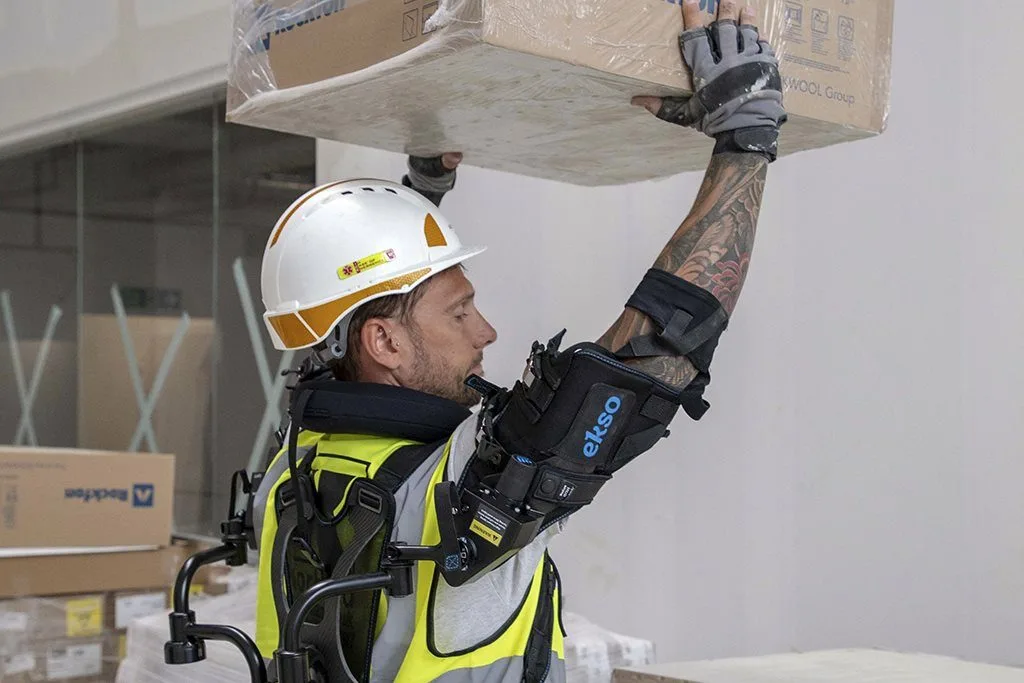
Exoskeletons for Construction: Which Model for Which Job?
Practical guide to choosing an exoskeleton suitable for construction jobs: mason, plumber, electrician, painter, roofer.
Lire →
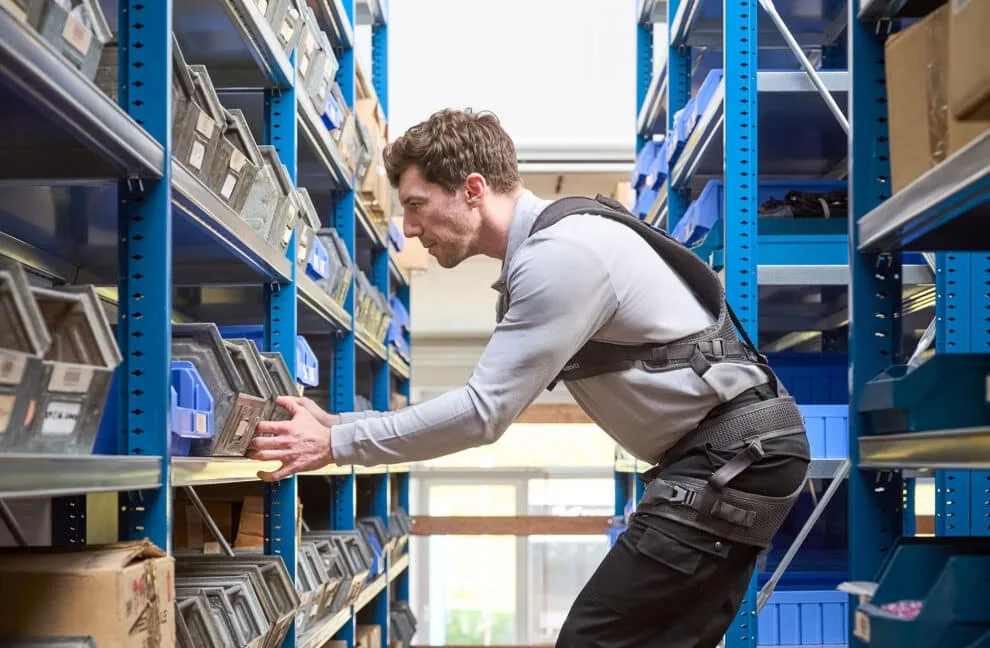
How exoskeletons reduce MSDs in warehouses and logistics. Picking, order preparation, loading: solutions tailored to each position.
Logistics and handling are among the sectors most affected by musculoskeletal disorders. Ground picking, carrying packages, repetitive movements: operators perform an average of 150 to 300 bends per day, with loads ranging from 5 to 25 kg.
Lower back pain alone accounts for 20% of workplace accidents in the sector. The cost to companies is considerable: sick leave, turnover, decreased productivity.
Recommended solution: passive dorsal exoskeleton, ultra-lightweight, which assists bending without hindering walking between aisles.
Recommended solution: dorsal exoskeleton with strong lifting assistance. An active model may be justified if loads regularly exceed 20 kg.
Recommended solution: versatile passive exoskeleton, which does not hinder quick movements and supports variable loads.
Field feedback in the logistics sector shows:
Check out our field tests conducted in real conditions in logistics warehouses, and our dedicated logistics page to see the recommended models.
Practical guide to choosing an exoskeleton suitable for construction jobs: mason, plumber, electrician, painter, roofer.
Lire →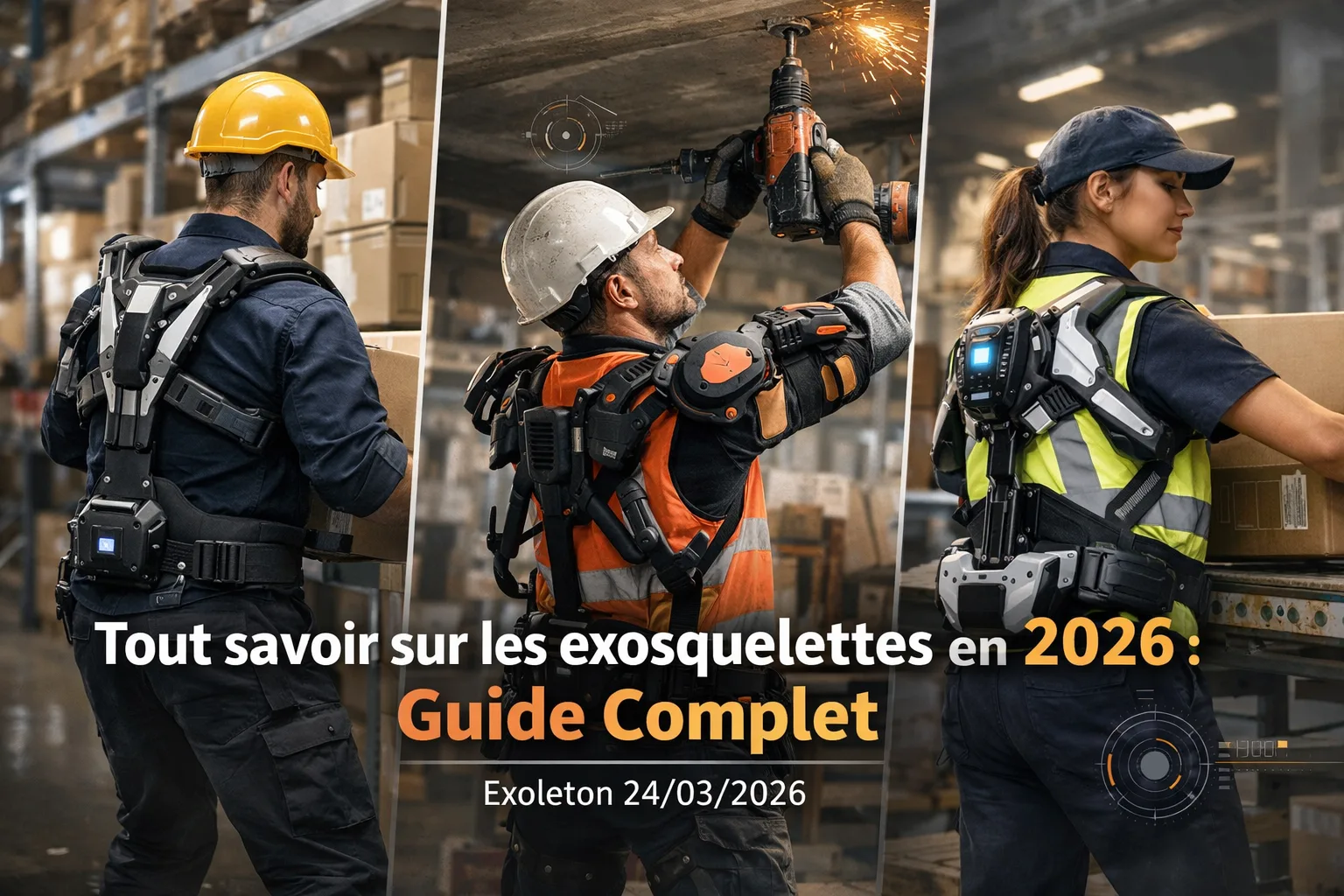
The reference guide to understanding professional exoskeletons: technologies, uses, selection criteria, regulations, fun
Lire →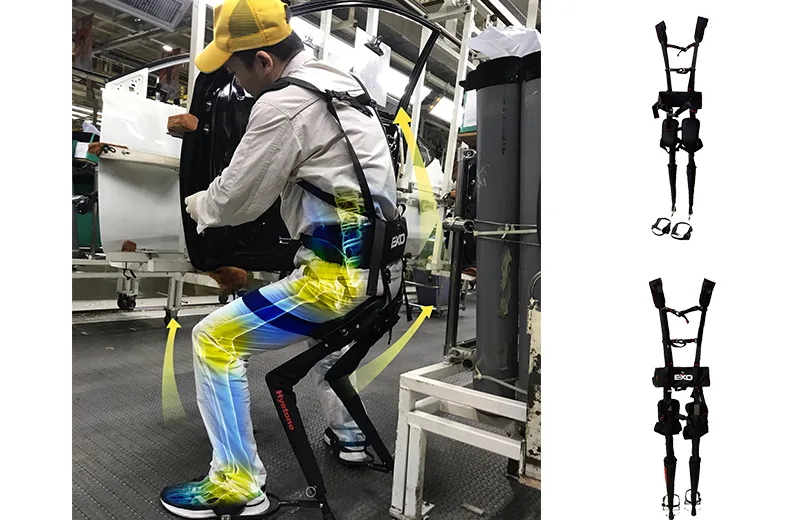
Overview of financial aid available for purchasing exoskeletons: CARSAT, AGEFIPH, FIPHFP grants, prevention contracts, a
Lire →